
Description
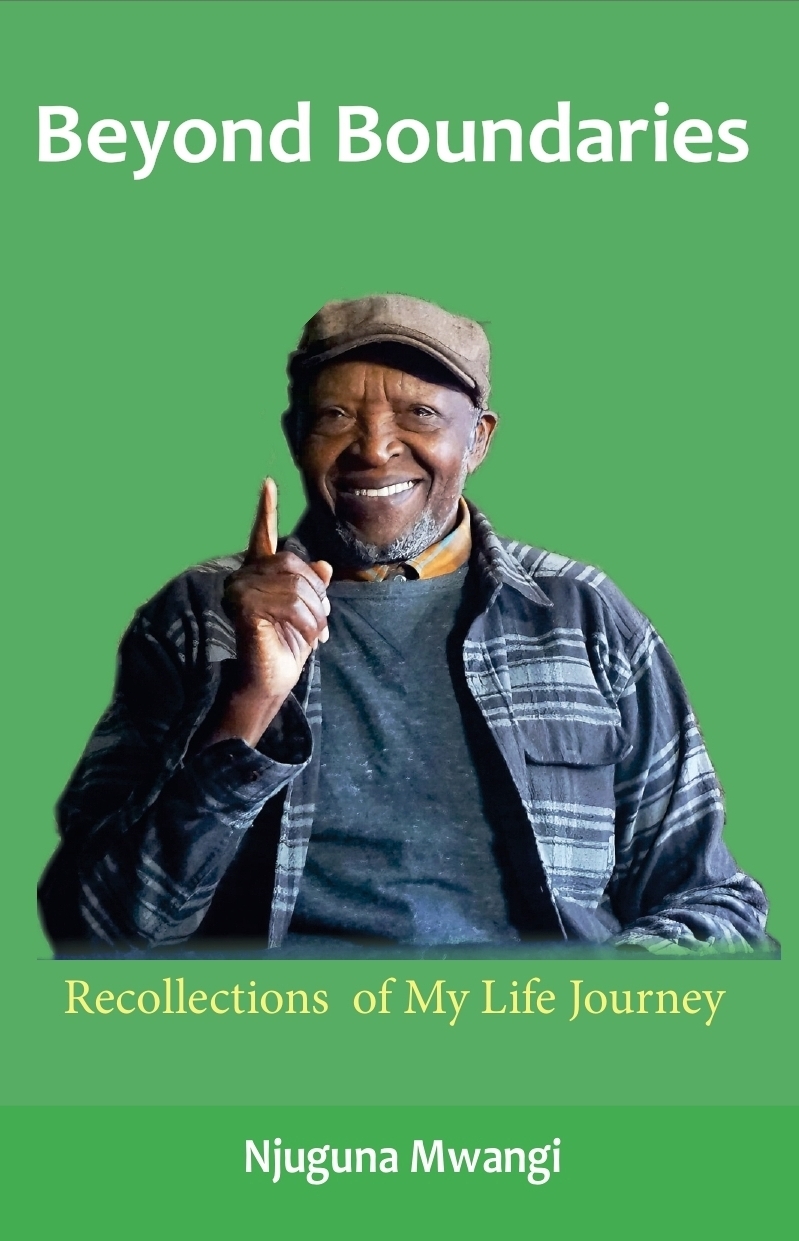
Beyond Boundaries by Njuguna Mwangi is a powerful memoir that traces a lifetime of endurance, discovery, and reflection across the landscapes of colonial and postcolonial Kenya. Balancing personal narrative with cultural and historical insight, Mwangi invites readers to journey with him through moments of triumph, trauma, and transformation.
Structured with care and intention, the memoir follows a linear path but stands out for its emotional depth and pacing. Mwangi gives space to every experience — from intimate recollections of family and community life to the broader struggles for justice and identity. Though a few transitions could flow more smoothly, the structure mirrors life’s own rhythm: not just a series of milestones, but a testament to persistence through the in-between.
At its core, Beyond Boundaries explores what it means to cross limits — personal, societal, and spiritual. Mwangi wrestles with the tensions between tradition and change, faith and reason, survival and aspiration. He does not offer easy answers, but instead, invites readers to sit with life’s ambiguities. This is not a story of certainty, but of questioning — an honest search for meaning within complexity.
Emotionally, the book is remarkable for its quiet strength. Rather than rely on overt sentiment, Mwangi builds connection through subtle, sensory moments — a remembered scent, a pause in conversation, a silent act of resistance. His restraint feels intentional and grounded in cultural expression. Readers sense the weight of feeling without being overwhelmed by it.
Where the book shines most is in its cultural and social insight. Mwangi’s story unfolds against the backdrop of Kenya’s turbulent history — from colonial repression to the struggles of nationhood. He situates his personal experiences within larger systems of power, including colonization, economic inequality, and social expectations of masculinity. Yet, he refuses to cast himself as a victim. Instead, his narrative reveals resilience, dignity, and an enduring belief in human agency.
One of the most compelling parts of Beyond Boundaries is Mwangi’s analysis of religion’s role in colonization. He examines the infamous “Slave Bible,” a version of scripture manipulated by colonial authorities to justify domination, exploitation, and submission as the will of God. This Bible excluded liberation texts such as the Exodus story and verses affirming human equality, like Galatians 3:28 — “for all are one in Christ.” Instead, it preached obedience, humility, and gratitude toward masters as divine virtues. By removing messages of freedom, it reframed colonization as sacred duty and erased African spirituality by labeling it pagan. Mwangi’s exploration exposes how faith was weaponized to legitimize empire and suppress resistance, turning a message of liberation into a theology of control.
While the prose could, at times, be tighter and a few anecdotes trimmed, the book’s overall composition is strong, sincere, and thought-provoking. Mwangi’s storytelling balances personal humility with intellectual rigor, creating a narrative that feels both deeply human and socially aware.
Ultimately, Beyond Boundaries is not a loud declaration but a quiet revolution of thought. It’s a work of reflection, not self-praise; of humility, not heroism. Mwangi’s voice reminds readers that true freedom begins in the mind and spirit — in reclaiming identity, memory, and faith from the weight of history.
Through subtle storytelling, cultural wisdom, and historical truth, Beyond Boundaries becomes more than a memoir — it’s an invitation to remember, to question, and to rediscover what it means to be whole.


Reviews
There are no reviews yet.